


Exploring Cultural Influences in Contemporary Fashion
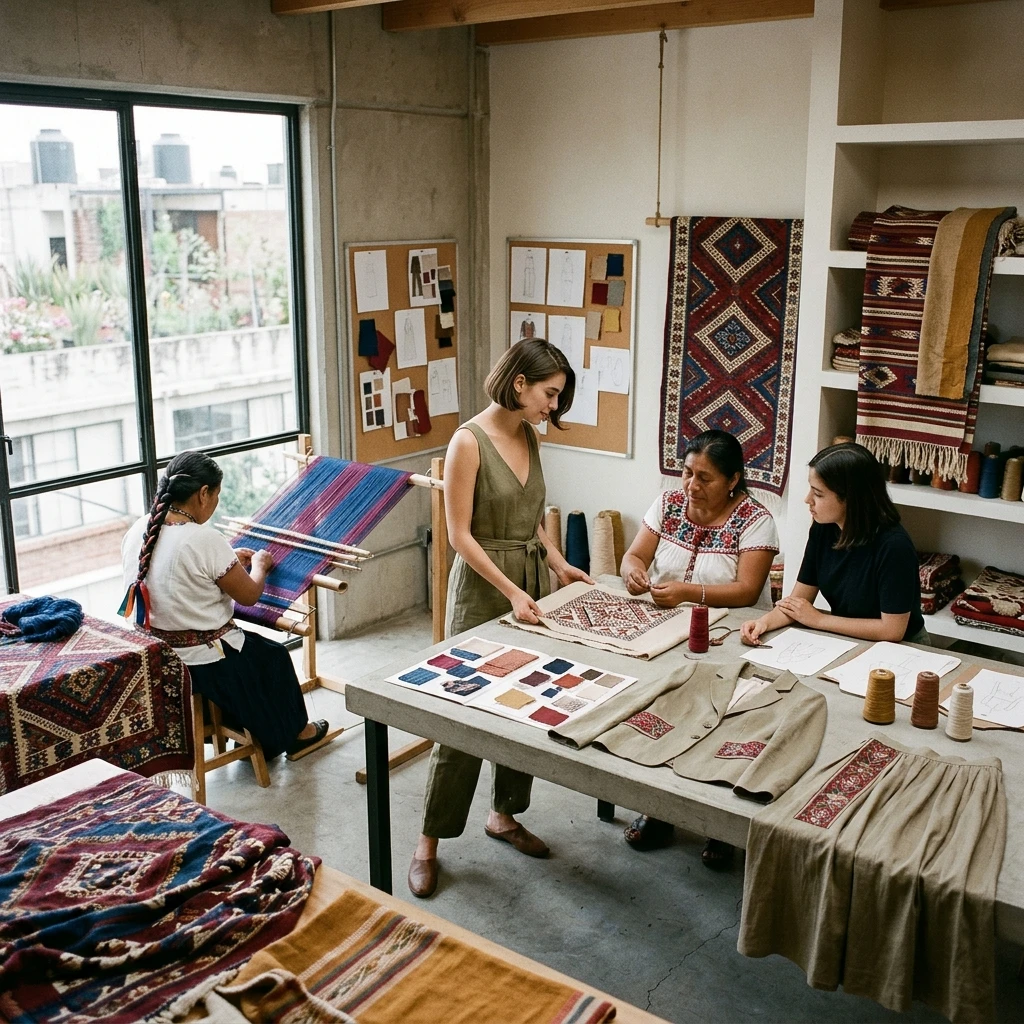
Clothing carries stories. A weave, silhouette, or way of wrapping fabric can express identity, mark belonging, and connect a wearer to generations of knowledge. In contemporary fashion, cultural influences shape both what designers make and how people understand what they wear.
Drawing on cultural heritage can lead to thoughtful, original design, but it calls for more than visual research. Designers need to understand context, recognize the people behind a technique, and consider who benefits when cultural references enter a collection. That care helps turn inspiration into meaningful fashion design rather than a borrowed look detached from its history.
Why Culture Matters in Fashion
Culture matters in fashion because clothing communicates identity, history, and belonging as well as personal style. The colors, materials, and forms people choose can reflect community traditions, social change, or an individual’s relationship with their heritage.
These meanings are never fixed. A garment may signal celebration in one setting, everyday practicality in another, or a deliberate statement of identity in a third. Migration, trade, religious practice, climate, and popular culture all affect how clothing develops. Contemporary fashion therefore reflects many overlapping histories rather than a single, universal story.
Designers work within this landscape whenever they choose a silhouette, textile, or finishing method. A familiar shape can carry new meaning when its wearer styles it differently or places it in another context. At the same time, a motif that looks decorative to an outsider may hold specific significance for the community that created it.
For a designer, the useful first question is not simply, “Does this reference look striking?” Ask what it communicates, where it comes from, and how it will be understood by the people connected to it. That shift keeps identity and self-expression at the center of the creative process.
How Heritage Shapes a Designer’s Point of View
Cultural heritage shapes a designer’s point of view through lived experience, family histories, community knowledge, and the places that form their sense of identity. Those influences can guide design decisions without requiring a designer to represent an entire culture.
A designer might remember a particular fabric from family gatherings, learn a technique from a relative, or notice how clothing changes between home, work, and public life. These details can become a personal design vocabulary: a recurring proportion, a familiar color relationship, or a practical approach to layering. The result is strongest when it grows from specific experience instead of treating heritage as a ready-made visual theme.
Designers also have a responsibility to recognize the limits of their own perspective. No community is culturally uniform; regional, generational, religious, and personal differences matter. Research can deepen understanding, but it cannot replace relationships with people who hold direct knowledge of a tradition.
A useful practice is to write a short provenance note during concept development: identify the reference, explain why it matters to the designer, and record who has knowledge of it. This simple record helps separate personal memory from outside research and makes it easier to trace ideas as a collection develops.
Traditional Techniques in Modern Design
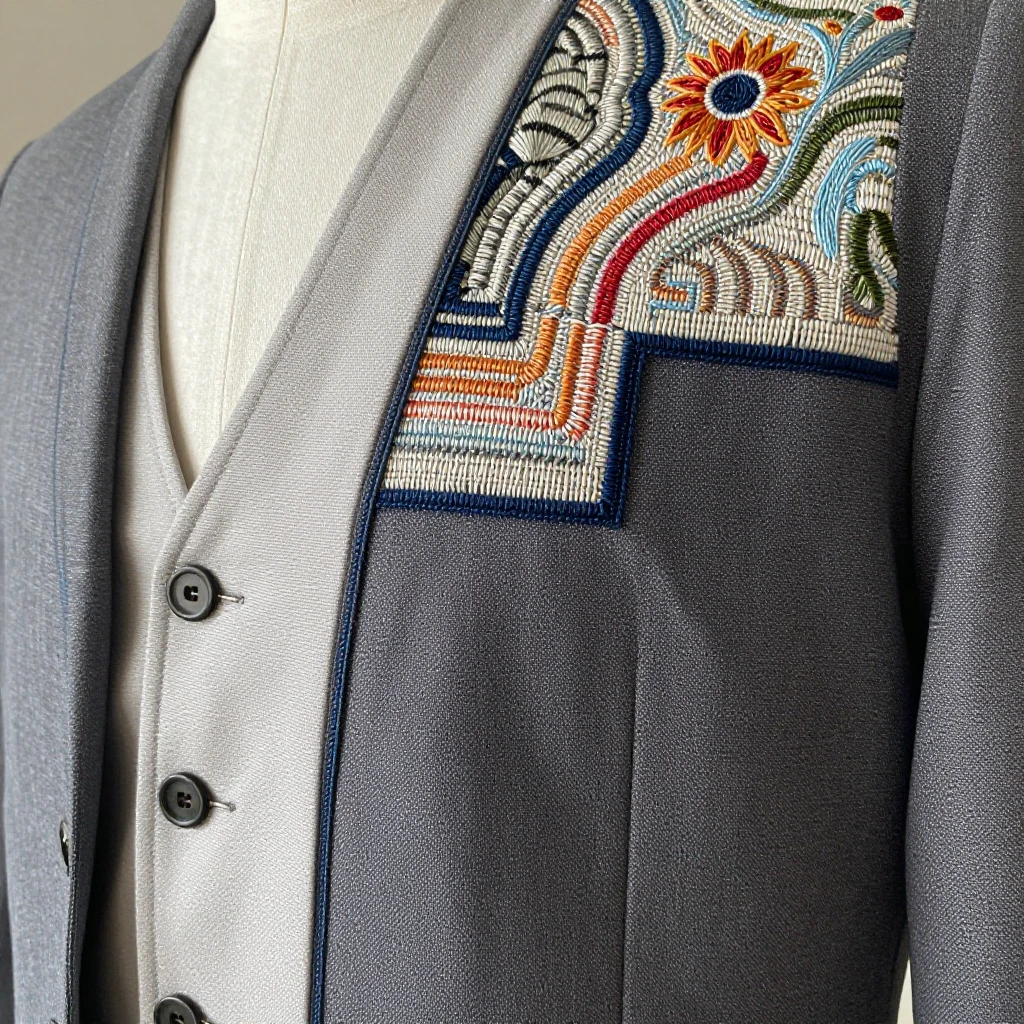
Traditional techniques can inform modern design through textiles, prints, embroidery, dyeing, weaving, and other forms of craftsmanship. Designers can adapt these methods for contemporary garments while preserving context and recognizing the people whose skills sustain them.
Start by learning how a technique is made and what conditions support it. A handwoven cloth, for example, reflects choices about fiber, loom, time, and local knowledge. Reproducing its appearance with a factory print may be commercially convenient, but it does not preserve the same craftsmanship or create the same relationship with makers.
Adaptation can take several forms, each with different implications:
- Commission the original technique: Work with artisans or established workshops, agree on payment and credit, and set realistic production timelines.
- Learn from the method: Study its underlying principles and develop a new construction or surface treatment without copying culturally specific designs.
- Use a contemporary reinterpretation: Change scale, placement, or material in collaboration with practitioners and explain what has been adapted.
Each route involves a trade-off. Handwork may limit production volume and increase cost; industrial translation can make a technique more accessible but may obscure its source or reduce its value to a visual effect. Clear decisions about authorship, compensation, and disclosure matter as much as the finished surface.
Cultural Exchange on the Runway and Beyond
Cultural exchange in fashion happens when ideas, materials, skills, and styles move between people and places. It appears on runways, in streetwear, through diaspora communities, and in the everyday ways people adapt clothing to their lives.
Exchange has long shaped dress. Trade routes carried textiles and dye materials; migration brought new tailoring skills and ways of wearing clothes; music and youth movements spread styles across borders. Today, designers encounter references through travel, digital media, archives, and collaborations. That access can broaden creative possibilities, but an image online rarely provides enough context to explain a garment’s meaning or history.
Runway presentation can flatten these stories if a collection combines unrelated references into a vague “global” aesthetic. Better work makes the connections legible. A designer can name the community, region, maker, or source when known, and explain how a reference has changed through the design process. If the connection is uncertain, it is better to investigate further or leave it out.
Exchange also raises questions about power. Who gets visibility and commercial benefit? Who is described as an innovator, and whose contribution goes uncredited? These questions do not mean that cultures must remain isolated. They help designers build relationships in which knowledge, authorship, and opportunity can move in more than one direction.
Inspiration Versus Appropriation
Cultural inspiration becomes cultural appropriation when a designer uses cultural elements without adequate understanding, permission, credit, or regard for the people connected to them, particularly where power and commercial benefit are unequal. There is no single checklist that resolves every case; context and relationships matter.
A motif may be widely shared in one context and restricted or sacred in another. A garment worn by a community as everyday dress may become a fashion prop when detached from its function or presented as an exotic costume. Designers should investigate the specific reference rather than assume that visibility or online availability makes it free to use.
Before developing a culturally informed design, consider these questions:
- What is the reference, and what does it mean to the people associated with it?
- Is it appropriate to use publicly, or does it have restricted, sacred, or ceremonial significance?
- Have knowledgeable practitioners or community members been consulted early enough to shape the work?
- Will makers receive fair compensation, meaningful credit, and a say in how their work is presented?
- Does the final design communicate its source honestly, or does marketing turn it into a vague trend?
Consultation is most useful when it can change a decision. A conversation held after a collection is finished may function as approval-seeking rather than collaboration. If the reference is sensitive, permission cannot be secured, or community guidance is unavailable, choosing another design direction is often the most responsible option.
Designing with Cultural Awareness
Designing with cultural awareness means researching references, working with people who hold relevant knowledge, crediting contributions, and being accountable for how a collection is made and presented. These practices help designers create original work while respecting cultural heritage.
A practical process has four stages: research, relationship, design, and review. Research the source and its context. Build relationships with practitioners before finalizing the concept. Develop the garment with clear agreements about ownership, payment, and attribution. Then review the collection and its marketing with collaborators, asking whether the story is accurate and whether the people who contributed are represented fairly.
Keep records as the design evolves. Note where a textile came from, who developed a technique, what changed during adaptation, and how contributors will be credited. These details support production and help prevent a common mistake: knowing the story in the studio but losing it when a garment reaches a label, campaign, or retailer.
Another mistake is treating consultation as a substitute for creative responsibility. Listening is essential, but designers still need to make choices about whether a reference belongs in the collection at all. Likewise, a credit line alone does not correct unfair compensation or a misleading campaign. Accountability has to run through the whole process.
When approached with care, cultural exchange can strengthen contemporary fashion through better design and more honest storytelling. The result need not be a literal reproduction of tradition. It can be a considered garment whose materials, construction, and presentation show that the designer understands the difference between borrowing an image and building a relationship.
Frequently Asked Questions
What counts as cultural inspiration in fashion?
Cultural inspiration includes using ideas connected to a community’s clothing, textiles, techniques, symbols, or ways of dressing. Its meaning depends on the source, context, and how the designer uses and credits it.
How can designers avoid cultural appropriation?
Research the specific reference, consult relevant practitioners early, respect restrictions, agree on fair compensation, and provide accurate attribution. If meaningful permission or understanding is missing, choose a different direction.
Why is collaboration with cultural practitioners important?
Practitioners can explain technique, context, and meaning that a designer may miss through visual research alone. Collaboration can also create fairer recognition and economic opportunities, provided contributors have a real role and clear agreements.
Can traditional techniques be used in contemporary collections?
Yes. Designers can commission traditional craftsmanship or adapt a technique with knowledgeable collaborators. The key is to understand the method, credit and compensate contributors, and avoid presenting culturally specific work as an anonymous decorative trend.