The Impact of Social Media on Fashion Branding
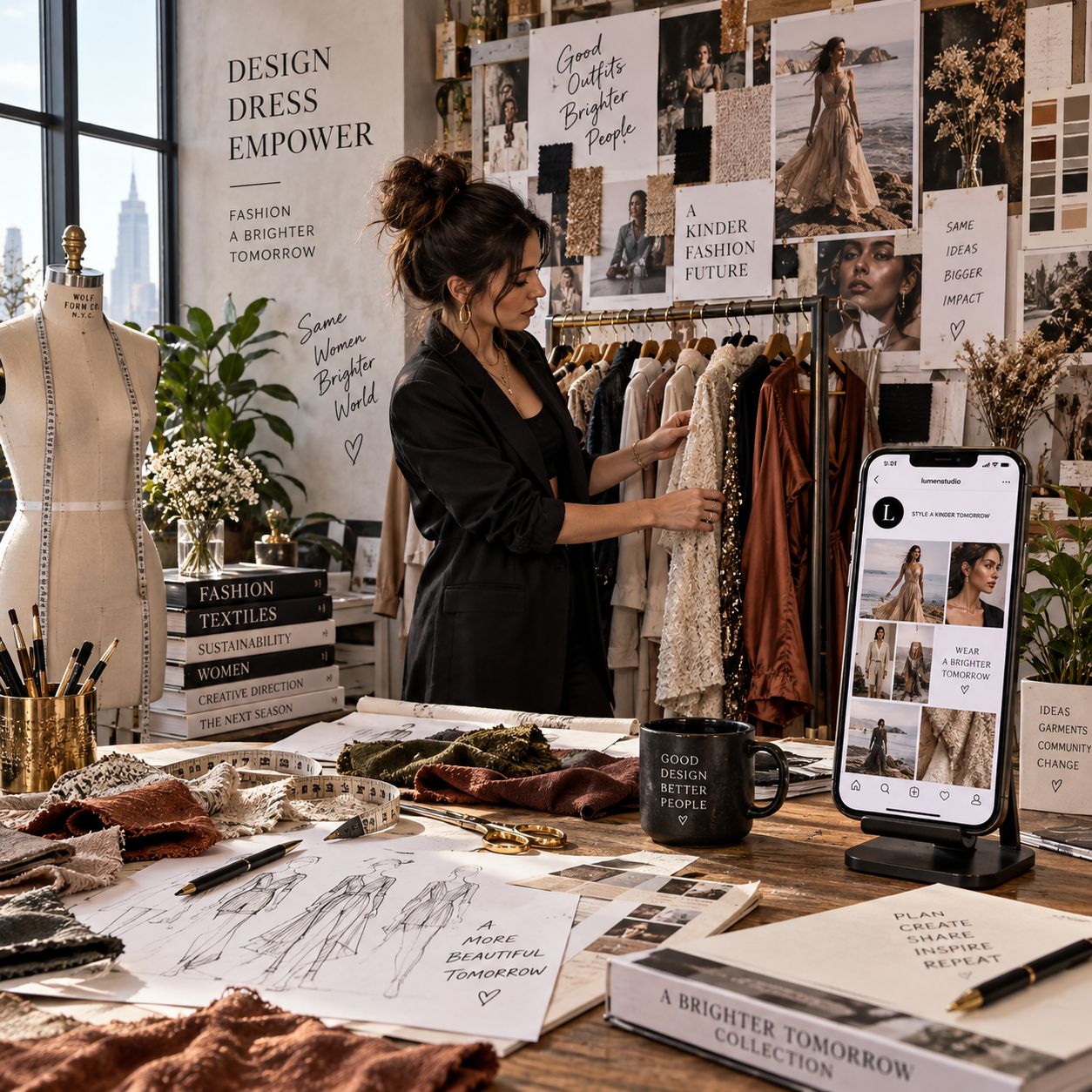
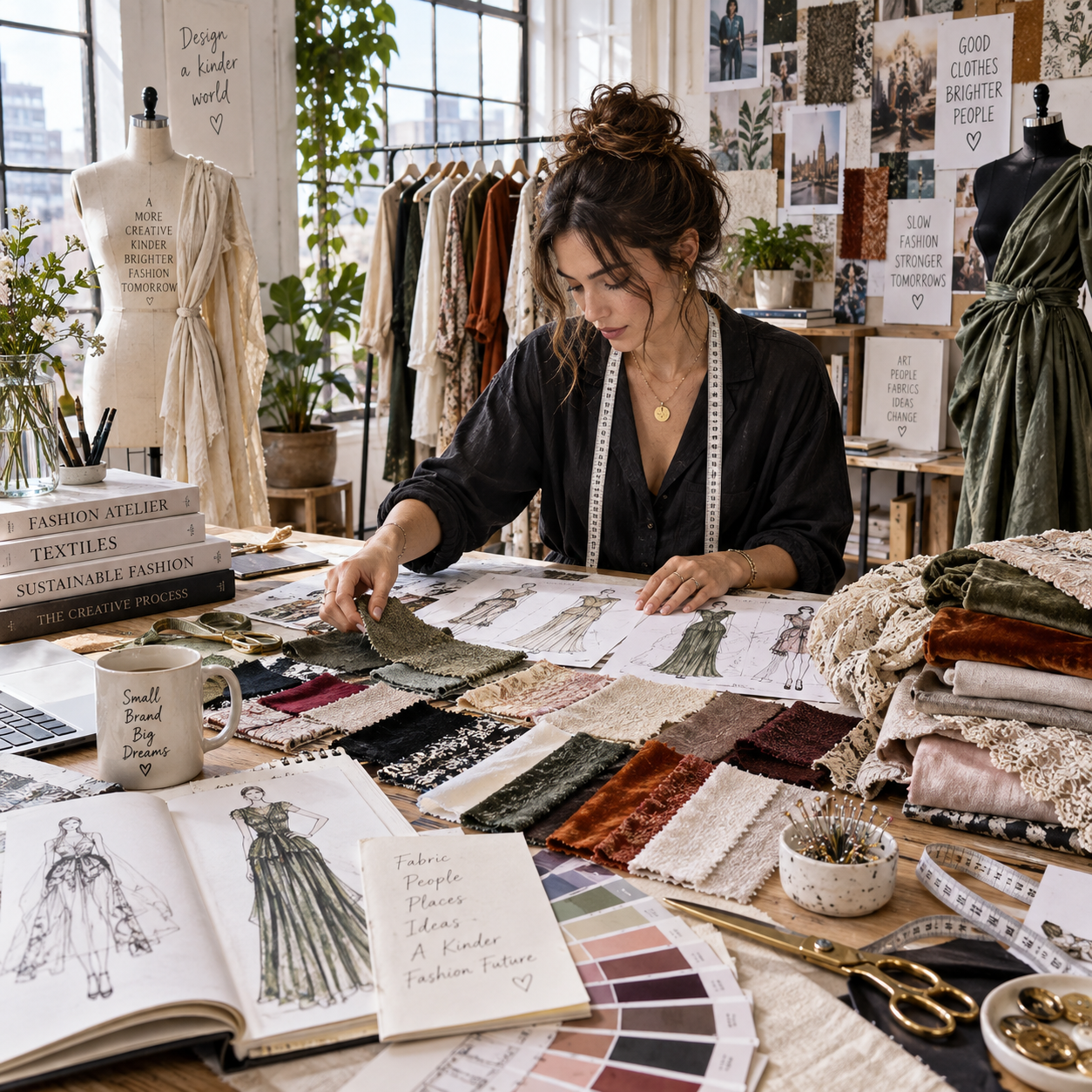
For a fashion designer, social media is a public-facing extension of the studio. It gives a label space to show its clothes, but also to communicate the ideas, craft, and point of view behind them. A thoughtful presence can help people recognize a brand and feel connected to its work before they ever visit a showroom or buy a piece.
The impact depends on what the designer chooses to share. A clear identity and purposeful visual storytelling can make posts feel like part of one world. Chasing every trend or posting without a point of view can have the opposite effect, making even beautiful work harder to remember.
How Social Media Has Changed Fashion Branding
Social media platforms let fashion designers present their work directly to audiences and develop a recognizable brand over time. Designers can share collections, ideas, and studio life without relying only on traditional media or retail settings.
That direct access changes the relationship between a fashion brand and its audience. A campaign image can introduce a collection; a short video can show how a garment moves; a caption can explain the inspiration behind its fabric or silhouette. Followers can respond immediately, ask questions, and share the work with others. These interactions help shape brand awareness as well as audience expectations.
Each platform offers different ways to tell the story. Image-led feeds are useful for presenting a considered visual world, while short-form video can reveal process, movement, and personality. The choice matters less than matching the format to the message. A designer whose work depends on intricate construction, for example, might use close-up process footage alongside finished editorial images.
Social media also brings a trade-off: greater visibility means greater exposure to comparison and fast-moving trends. A platform can help a designer reach people directly, but it cannot replace a clear creative direction or a well-made collection. Reach is an opportunity; brand meaning comes from what the designer consistently puts into that reach.
Building a Distinctive Brand Identity Online
A distinctive online brand identity comes from repeating a recognizable visual language, tone, and set of ideas. When those elements reflect the designer’s point of view, individual posts feel connected rather than interchangeable.
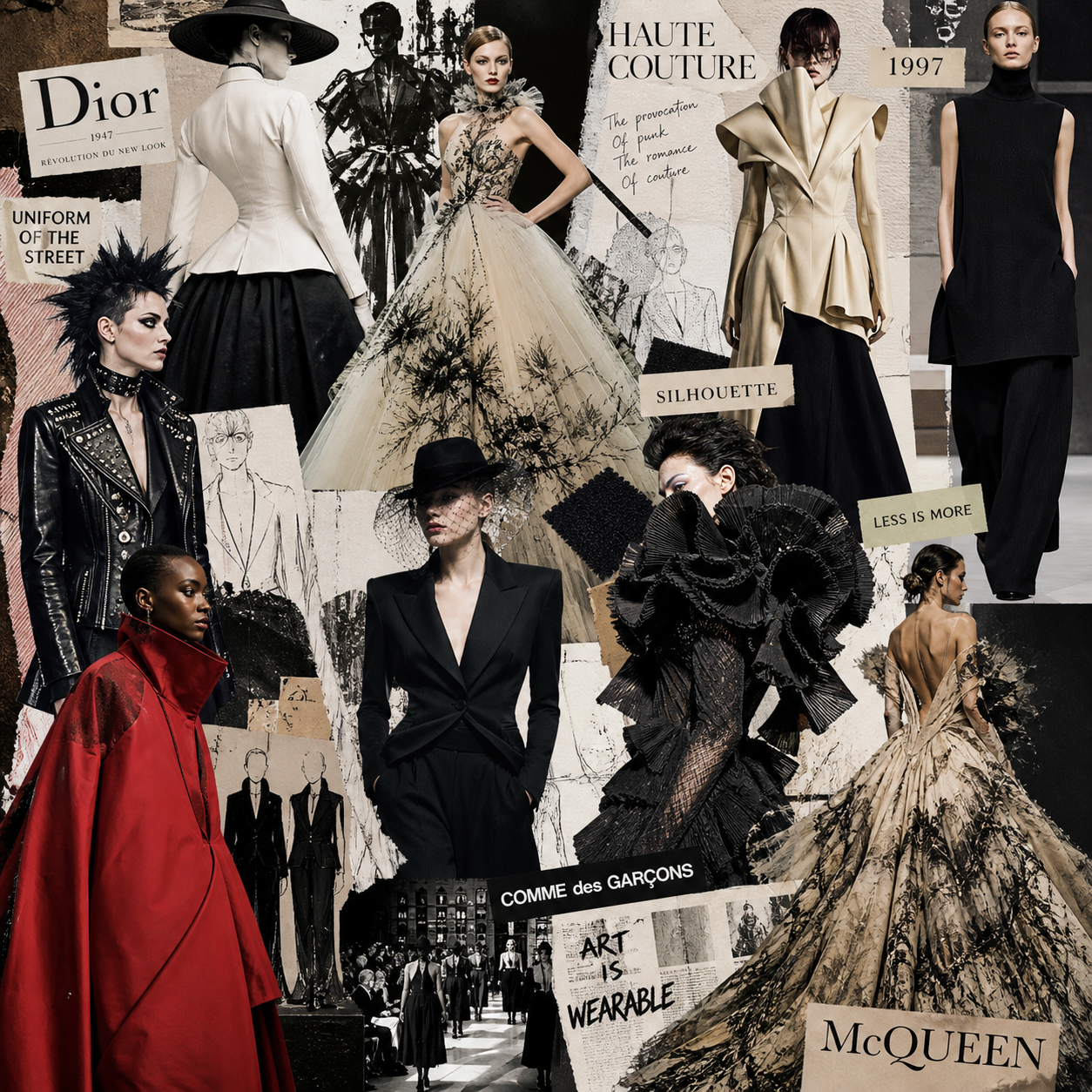
Start with the design practice itself. Consider the shapes, materials, colors, references, and values that recur in the work. A designer focused on sculptural tailoring might use strong silhouettes, architectural locations, and precise, spare copy. A label built around hand-dyed textiles could foreground texture, natural light, and the making process. The aim is not to make every image look identical; it is to make the feed feel authored.
Useful identity cues include:
- Visual choices: lighting, framing, color palette, casting, and locations.
- Voice: whether captions sound intimate, technical, playful, or reflective.
- Recurring themes: craft, material research, local production, personal heritage, or a particular cultural reference.
These cues should guide decisions, not become a rigid template. An unexpected campaign can still fit a brand if it expresses the same underlying point of view. Conversely, copying a popular visual trend may attract attention while blurring what makes the designer’s work distinct. A simple test helps: if the logo disappeared, would the image, wording, or styling still feel like the brand?
Connecting with Audiences Through Content
Fashion content builds audience connection when it combines compelling visuals with useful context and opportunities to respond. Behind-the-scenes posts, collection launches, and two-way conversations can make a designer’s creative process more visible.
Content does not need to reveal every stage of production. A few well-chosen details can bring an idea to life: a fitting-room adjustment, a sketch beside its finished garment, or a close-up showing how a seam changes the drape. This kind of visual storytelling gives audiences a reason to look beyond the final campaign image.
For a collection launch, a designer might share a sequence rather than one isolated announcement: a material detail, a short note about the inspiration, a look at the garment in motion, then clear information about availability. Between launches, studio updates and thoughtful references help maintain continuity without making every post a sales message.
Engagement should be a conversation, not a demand for constant reaction. Answer genuine questions about fit, materials, or care. Invite followers to discuss a styling choice or share how they wear a piece, then pay attention to what they say. Feedback can surface confusion or interest, but it should not dictate every creative decision. The designer’s task is to listen and decide what fits the collection and brand.
Influencers, Creators, and Customer Content
Influencer partnerships and user-generated content can introduce a fashion brand to new audiences and show its pieces in real-life contexts. They work best when the people involved genuinely suit the designer’s aesthetic and audience.
A large following alone is a weak reason to collaborate. Look at a creator’s styling, visual approach, audience conversation, and past partnerships. A smaller creator whose taste aligns with a label may produce a more credible presentation than a bigger account that treats the garment as one item in a stream of unrelated promotions.
Before a collaboration, agree on the practical details: which pieces are featured, what information must be accurate, how images may be reused, and whether the creator has room to style the work in their own way. Too much control can make a post feel like an advertisement; too little can leave the garment or brand misrepresented. Disclosure requirements also vary by location, so both parties should follow applicable advertising rules.
Customer content adds another perspective. With permission, a designer can reshare a customer’s outfit or styling photograph, crediting the creator clearly. This kind of user-generated content can show how a design lives beyond a campaign, but a brand should never assume that a public post is free to reuse. Ask first, respect refusals, and avoid editing someone’s image in a way that changes its meaning.
Challenges of Social Media for Fashion Designers
Social media can make fashion branding more visible, but it also creates pressure to post constantly, respond to criticism, and follow trends. Designers need boundaries and a clear voice to keep those demands from weakening the identity they are building.
Inconsistency is a common problem: a burst of activity around a launch followed by long silence can make the brand feel less present. A manageable rhythm is more useful than an ambitious schedule that cannot be sustained. Plan a few content themes and reuse relevant material in different formats rather than inventing a new campaign every day.
Negative feedback is another challenge. A thoughtful question about sizing or production may point to an issue the brand can address. A hostile or abusive comment may not deserve a public debate. Decide in advance who responds, what kinds of concerns merit a direct answer, and when moderation is appropriate. Timely, calm replies protect trust better than defensive arguments.
Trend pressure can also blur a designer’s brand voice. A popular format is worth testing when it helps express the work; it is a poor fit when the designer has to distort the work to use it. Finally, unclear captions or shifting visual choices can leave followers unsure what a label stands for. Brand consistency means recognizable intent, not identical posts.
Creating a Social Media Approach That Fits the Brand
A useful social media approach starts with the designer’s goals, audience, and visual identity, then chooses platforms and a posting rhythm that can be maintained. Review what resonates, but let the collection and creative point of view guide the decisions.
Use this practical sequence to build a plan:
- Set a purpose: decide whether the next phase should introduce the label, explain a collection, strengthen community, or direct people to a sales channel.
- Choose suitable platforms: prioritize spaces where the intended audience engages with the kinds of images, videos, or conversations the designer can produce well.
- Define content pillars: select a few recurring subjects, such as finished looks, design process, material stories, and customer styling.
- Make a realistic calendar: plan around fittings, production milestones, and launches. Leave room for spontaneous moments without depending on them.
- Review and refine: note which posts prompt meaningful saves, comments, questions, or visits, and consider why. Treat these signals as clues, not a scorecard for creative worth.
Platform choice should follow the work. If garment movement matters, prioritize a format that makes video easy to share. If detailed construction is central, use close-ups and captions that explain what viewers are seeing. There is no universal posting frequency: a small label with a careful editorial approach may publish less often than a team producing regular studio content. The right pace is one the designer can sustain without sacrificing quality.
Keep a lightweight record of decisions and results. After a launch, ask which story prompted useful questions, which image best represented the collection, and where followers seemed confused. That review turns audience engagement into practical feedback while keeping authorship where it belongs: with the designer.