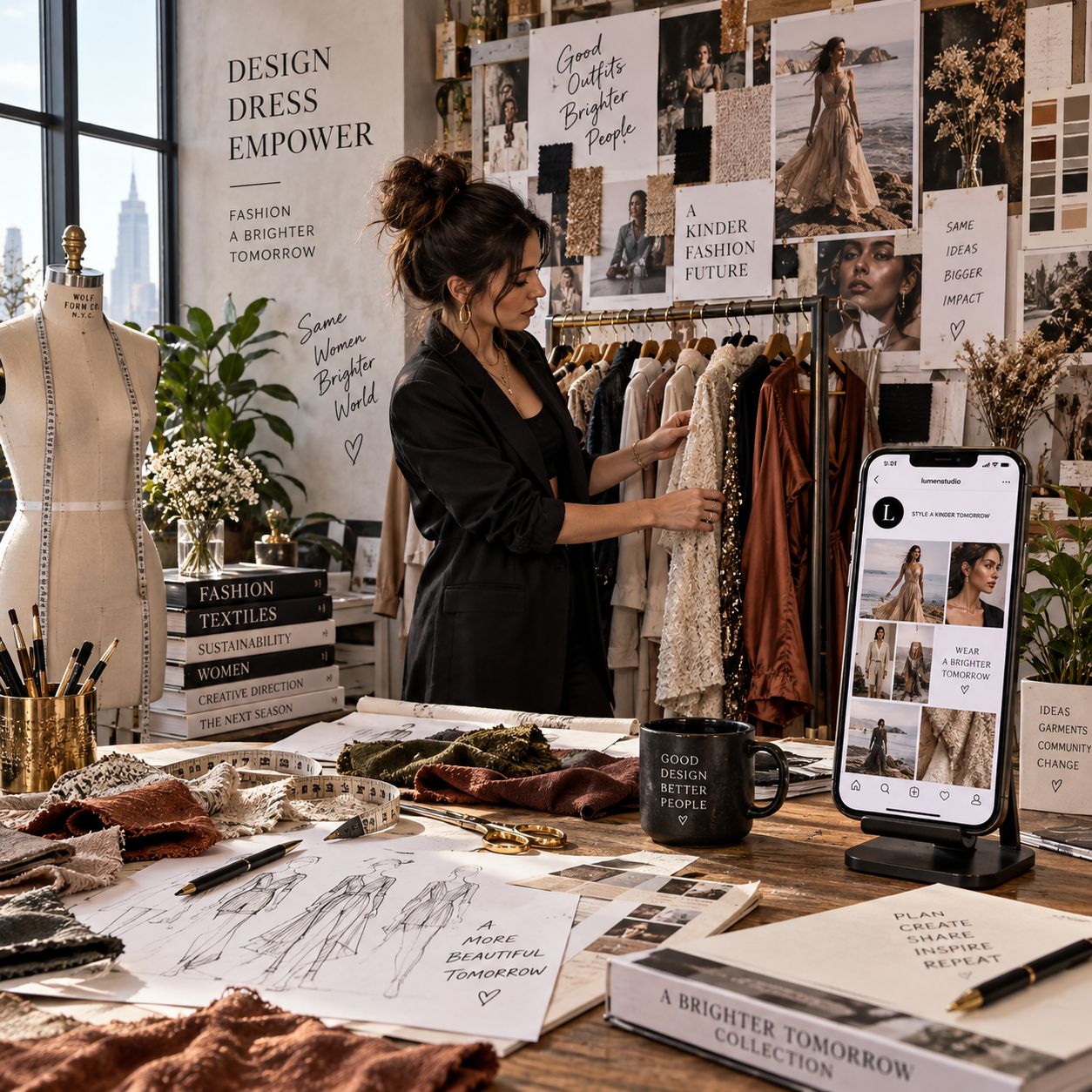
How to Start Your Own Fashion Label: A Step-by-Step Guide
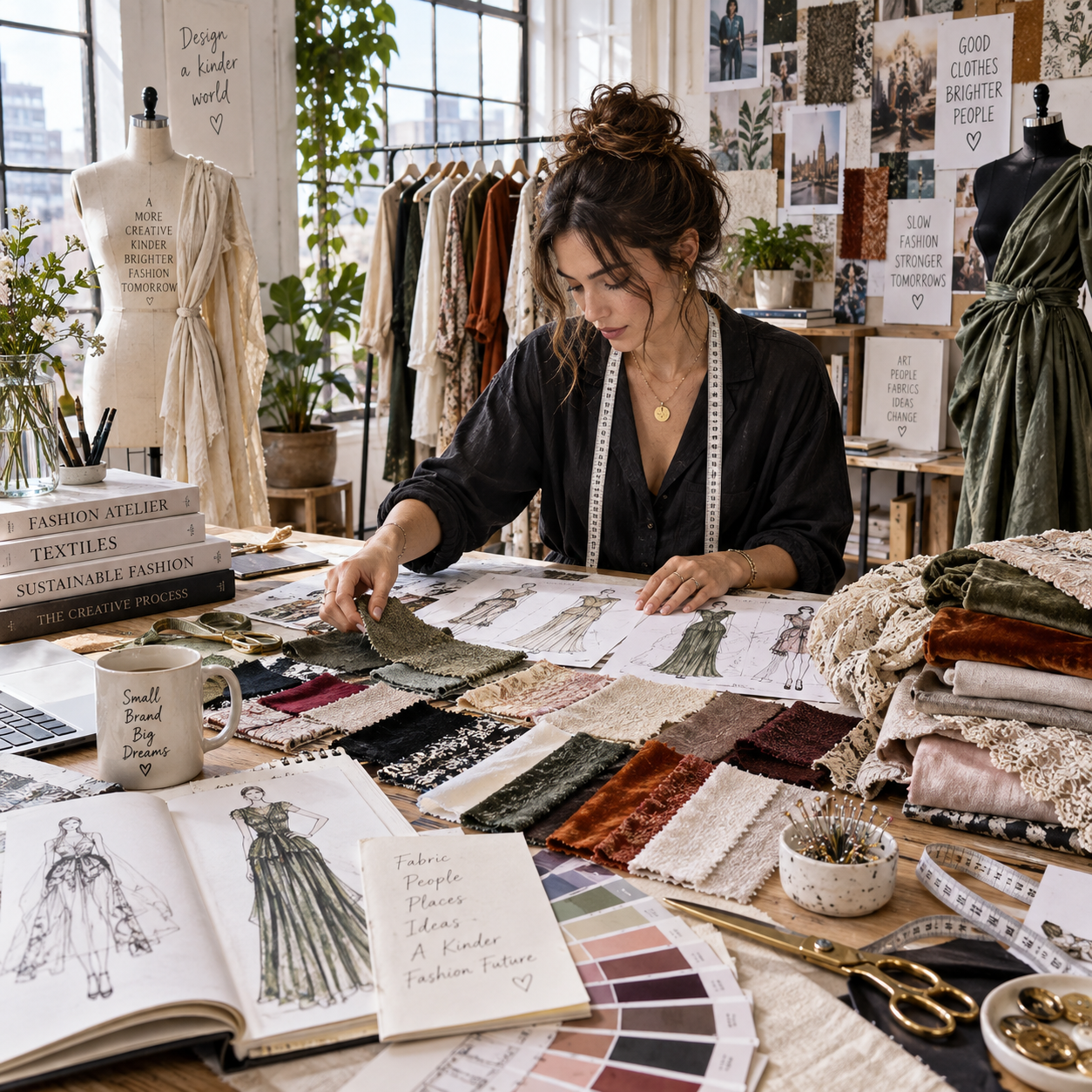
Starting a fashion label combines creative direction with careful business planning. You need a clear concept, a defined target customer, well-developed garments, reliable production, realistic pricing, and a launch plan that tests demand before you commit heavily to inventory.
Define Your Fashion Label Concept
A fashion label concept explains what you make, who it serves, and why customers should choose it. Begin with a focused niche and a creative direction that can guide every design, photograph, product description, and customer interaction.
Choose a specific starting point rather than trying to serve everyone. Your niche might be occasionwear for petite customers, natural-fiber everyday clothing, gender-neutral streetwear, adaptive garments, or limited-edition tailored pieces. A narrow focus makes it easier to develop a recognizable brand identity and communicate your value.
Write a one-sentence concept statement using this structure: “My label creates [product] for [target customer] who wants [specific benefit] through [distinctive approach].” For example, a designer might create modular workwear for urban professionals who want polished clothing with fewer, more versatile pieces.
Define your ideal customer in practical terms. Consider age, location, lifestyle, budget, shopping habits, preferred fabrics, fit concerns, and the occasions for which they buy clothing. The goal is not to invent a fictional demographic. It is to understand a real person’s wardrobe problems and purchasing decisions.
Set three creative boundaries for your first season, such as a limited color family, a particular silhouette, or a commitment to deadstock fabric. Constraints help a new fashion designer create a collection that feels coherent and remains manageable.
Research the Market and Build a Brand Strategy
Market research shows whether your fashion label solves a real customer problem and how it can occupy a distinctive position. Study customers, competitors, pricing, and shopping behavior before investing in a large product range.
Start with direct research. Interview potential customers, review comments on relevant social media accounts, visit independent boutiques, and ask what makes people hesitate before buying from an unfamiliar label. Look for repeated language around fit, quality, comfort, delivery, sustainability, and price.
Analyze competing brands without copying them. Record their product categories, retail prices, materials, visual style, shipping policies, customer reviews, and apparent strengths. A simple comparison table can reveal gaps, such as attractive design with poor size inclusivity or premium fabrics without useful product education.
Clarify your positioning through four decisions:
- Customer: who receives the most value from your products?
- Promise: what practical or emotional benefit do you provide?
- Proof: how will quality, craftsmanship, or material choices support that promise?
- Difference: what can customers recognize as yours within seconds?
Turn these decisions into brand values and a simple voice guide. If your label emphasizes craftsmanship, show construction details and explain the making process. If it emphasizes accessibility, make sizing, fit notes, and returns easy to understand. Brand strategy should appear in operations, not only in a logo.
Protect your name early by checking domain availability, social handles, and relevant trademark databases in the markets where you plan to sell. Government intellectual-property guidance, such as the information provided by the United States Patent and Trademark Office, can help you understand basic trademark considerations.
Develop Your First Collection
Develop your first collection by turning a clear concept into a small, commercially coherent product range. Use mood boards, sketches, technical specifications, fabric testing, and a strict edit before moving into sampling.
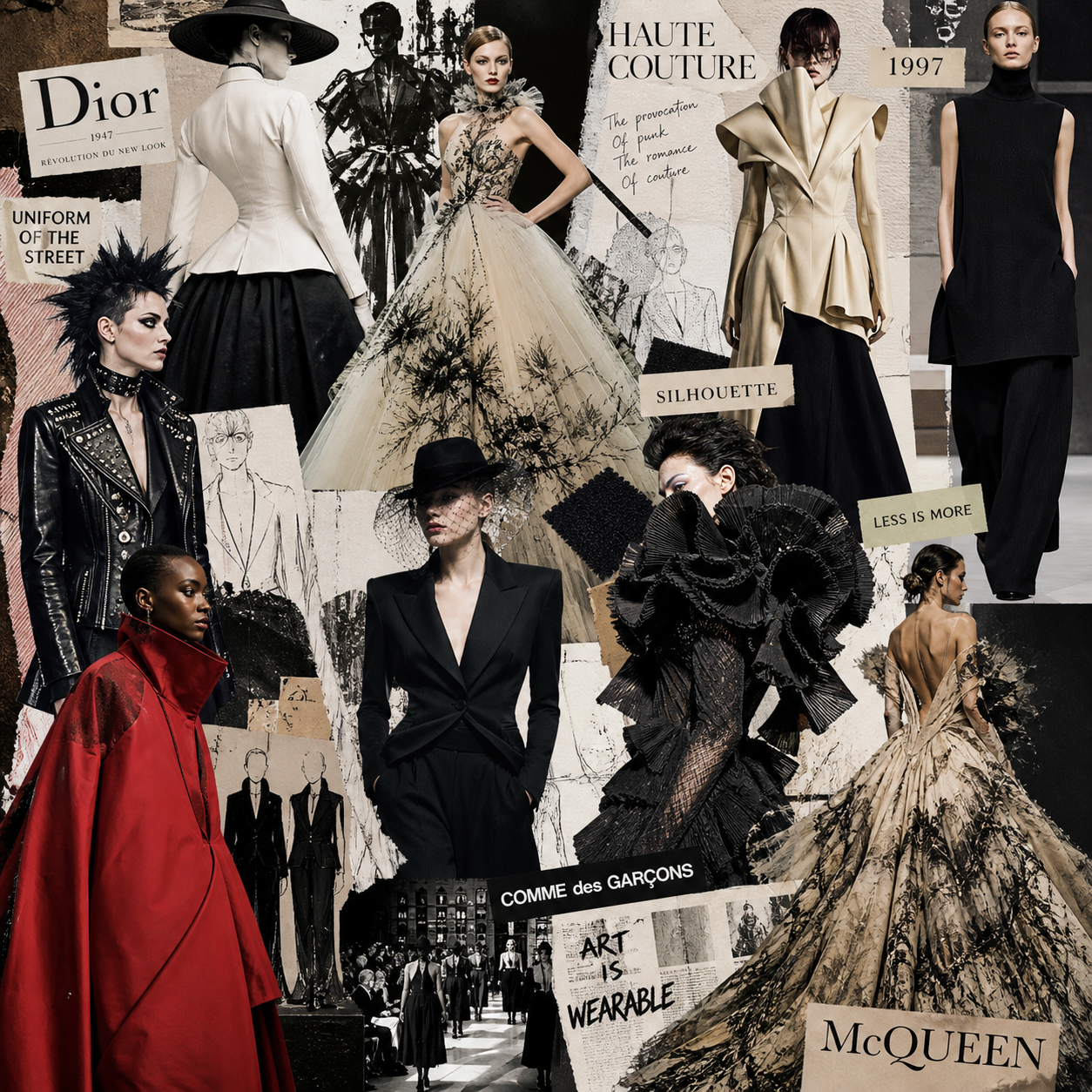
Build a mood board with references for silhouette, texture, color, styling, architecture, photography, and customer lifestyle. Then create a color palette with a few core shades and one or two accents. A controlled palette allows garments to work together and reduces the number of materials you must source.
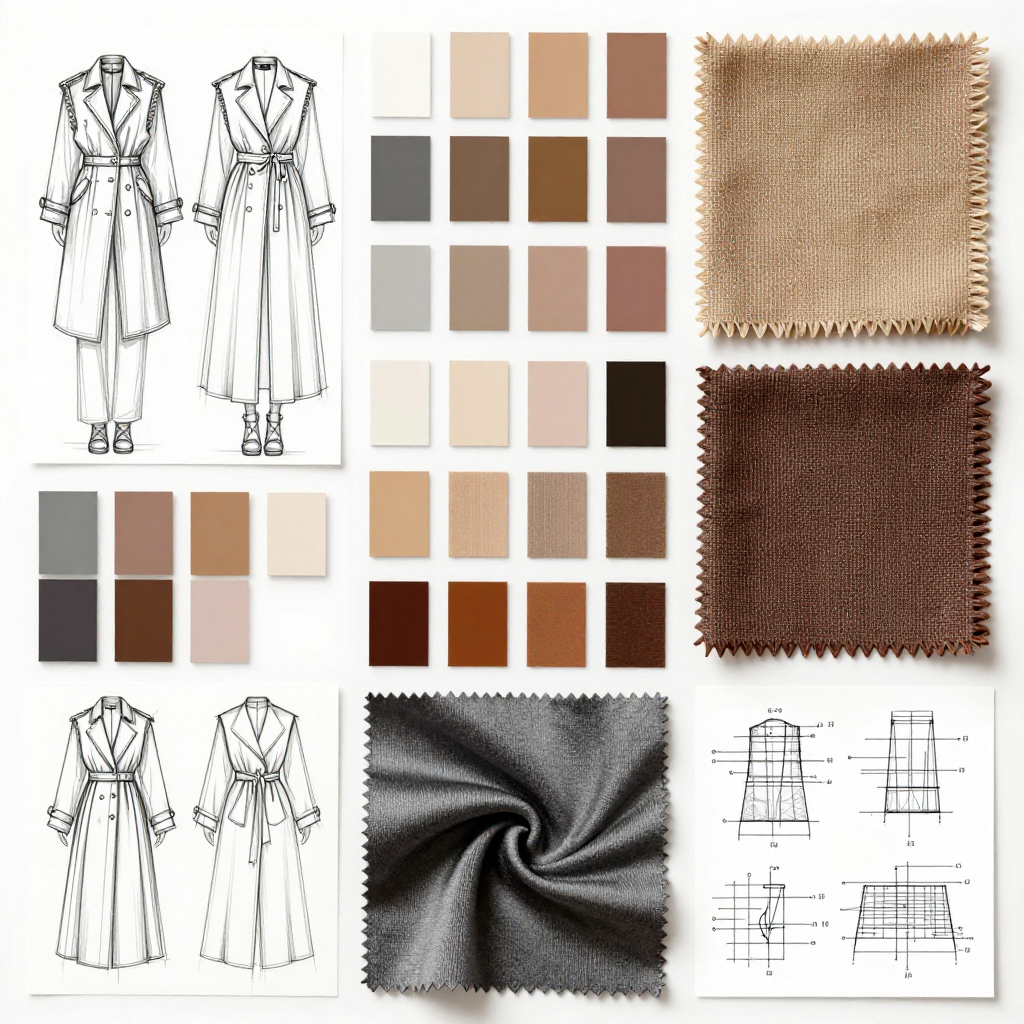
Sketch the collection, but do not stop at appearance. Each design needs a technical specification, often called a tech pack, that records measurements, construction details, seam finishes, trims, labels, artwork placement, and tolerances. Clear specifications reduce misunderstandings between the designer and manufacturer.
For a first drop, consider three to eight styles with useful relationships between them. One jacket might work with two bottoms; one dress might support multiple styling options. A focused range gives customers choice while keeping sampling and inventory risk under control.
When selecting fabrics and materials, assess more than color and feel. Check weight, stretch, shrinkage, opacity, wash performance, minimum order quantities, lead times, and availability. Request swatches, wash-test them, and record supplier information. Choosing a lower-cost fabric may improve your initial cash flow, but it can also reduce durability or weaken your positioning.
Create Samples and Choose Production Partners
Create clothing samples before production so you can test design, fit, construction, and cost. Compare production partners by communication, quality, minimum order quantity, lead time, and suitability for your scale, not by price alone.
The usual sampling process includes a first prototype, a fit review, revisions, and a pre-production sample. Try garments on people who represent your target customer, and assess movement as well as appearance. Check arm mobility, sitting comfort, seam placement, closures, lining, and how the garment behaves after washing.
Keep a sample log with dated photographs and specific corrections. “Improve the fit” is too vague. “Reduce shoulder width by 1 cm, raise the waist seam by 2 cm, and add 3 cm to the sleeve opening” gives a pattern cutter or manufacturer something usable.
Source manufacturers through trade directories, fashion schools, local industry networks, trade shows, referrals, and responsible-sourcing organizations. Ask each potential partner about:
- their experience with your garment category and fabric type;
- minimum order quantities and grading capabilities;
- sample, production, and delivery timelines;
- quality-control procedures and defect handling;
- payment terms, certifications, and subcontracting practices.
Small-batch production limits unsold stock and gives you useful customer data, but the unit cost may be higher. Made-to-order production reduces inventory exposure, although customers may wait longer and your workflow must handle individual orders consistently. Select the model that matches your cash position and demand confidence.
Agree on written terms covering specifications, ownership of patterns, approved materials, inspection standards, delivery dates, and remedies for defects. A friendly relationship helps; documentation protects both sides.
Set Your Budget, Prices, and Business Foundations
Set a fashion-label budget by separating one-time development costs, per-unit production costs, operating expenses, and a cash reserve. Price each garment from its complete cost rather than from the fabric bill alone.
Typical startup costs include design development, pattern cutting, samples, fabric and trims, labels, packaging, photography, website tools, insurance, registration, shipping supplies, and marketing. Build a spreadsheet with a low, expected, and high scenario because sampling revisions and freight delays can change the original estimate.
Calculate your landed cost per garment:
Landed cost = materials + labor + packaging + inbound shipping + duties or taxes + quality-control costs.
Your retail price must also support payment fees, website costs, marketing, returns, discounts, overhead, and future development. A simple gross-margin formula is:
Gross margin = (selling price − landed cost) ÷ selling price × 100.
For instance, a garment with a $45 landed cost sold for $120 has a gross margin of 62.5% before operating expenses. That margin is not the same as take-home profit. Wholesale pricing usually requires additional room because a retailer needs its own margin, while direct-to-consumer sales carry more responsibility for marketing and fulfillment.
Register the business structure required in your location, separate personal and business finances, set up bookkeeping, review tax obligations, and investigate product-liability and commercial insurance. Avoid ordering based on enthusiasm alone. A small preorder or limited first batch can validate demand while preserving working capital.
Build Your Brand and Prepare for Launch
Prepare for launch by making your brand identity, product information, images, website, and sales process consistent. Customers should understand what the label offers, how garments fit, when orders ship, and why the price is justified.
Develop a flexible logo system, typography, color treatment, garment labels, care labels, and packaging. Packaging should protect the product and express the brand without adding unnecessary cost or waste. A handwritten note can feel personal, but consistent care instructions and professional order confirmation matter more.
Produce clear product photography: full views, close-ups of construction, fabric texture, fit from several angles, and detail shots of closures or pockets. Write descriptions that include measurements, model sizing, fabric composition, care instructions, origin information, and expected dispatch time.
Build a simple ecommerce website with secure checkout, mobile-friendly pages, shipping rates, returns information, privacy terms, and contact details. Use social media as a place to demonstrate the process: show fittings, fabric sourcing, sample revisions, styling combinations, and the people behind the garments.
Plan launch content in stages:
- Before launch: introduce the concept, materials, designer, and collection details.
- Launch week: publish product pages, fit guidance, behind-the-scenes content, and direct purchase links.
- After launch: share customer styling, answer questions, explain care, and communicate stock updates honestly.
Choose sales channels carefully. Your own website offers control and customer data, while boutiques, pop-ups, markets, and wholesale accounts can provide discovery. Each channel has costs and operational demands, so test one or two before spreading your attention.
Launch, Learn, and Grow Your Fashion Label
Launch your fashion label as a measurable test, then use customer feedback, sales data, and product performance to guide growth. The first collection should teach you which designs, sizes, prices, and messages deserve further investment.
Track more than total revenue. Monitor sell-through by style and size, conversion rate, return reasons, average order value, gross margin, repeat purchases, production defects, and the time required to fulfill orders. A product that sells quickly but creates many returns may need a fit correction before you reorder it.
Ask customers focused questions after delivery. Which garment did they consider? What nearly stopped the purchase? How did the fit compare with expectations? Did the fabric and care instructions match the product page? Combine these answers with behavior data rather than relying on compliments alone.
Common mistakes can be expensive:
- Ordering too much stock: designers often mistake a large inventory for a serious launch. Unsold units tie up cash and may force discounts. Start with demand validation, small batches, or preorders.
- Underpricing creative work: beginners may count fabric but ignore sampling, pattern cutting, packaging, and administration. Include every cost before setting a price.
- Changing direction constantly: reacting to every social-media opinion can weaken brand identity. Use feedback to improve execution while preserving your central concept.
- Scaling before quality is stable: higher volume magnifies defects and late deliveries. Repeat the same production process successfully before increasing quantities.
Plan the next collection from evidence. Reorder proven shapes, revise weak fits, retire products with poor margins, and explore adjacent categories only when your operations can support them. Sustainable growth usually comes from a sharper product range and stronger customer trust, not from adding more styles as quickly as possible.
Frequently Asked Questions
How much does it cost to start a fashion label?
Costs vary widely by product type, location, materials, and production model. A small made-to-order label may begin with a few thousand dollars, while stocked collections with professional development and manufacturing can require substantially more. Prepare a detailed budget before spending.
Do I need formal fashion design training?
No. Formal training can help with pattern cutting, textiles, construction, and industry contacts, but it is not mandatory. You can learn through courses, apprenticeships, practice, and collaboration with experienced pattern cutters or technical designers.
How do I find a clothing manufacturer?
Search through referrals, trade shows, fashion-industry networks, manufacturer directories, and local production communities. Request samples, verify capabilities, ask for references, and confirm minimum orders and quality standards before signing an agreement.
Should I start with a small collection?
Yes, in most cases. A focused collection of three to eight coordinated styles makes it easier to control sampling, production, photography, inventory, and customer feedback. Expand after you understand demand and operational capacity.
How can I sell my first fashion collection?
Use a combination of an ecommerce website, social media, email, pop-ups, personal networks, and carefully selected boutiques. Explain the product clearly, show fit and construction, collect customer questions, and measure which channel produces profitable orders rather than chasing reach alone.