

Iconic Fashion Designers Who Shaped the Industry
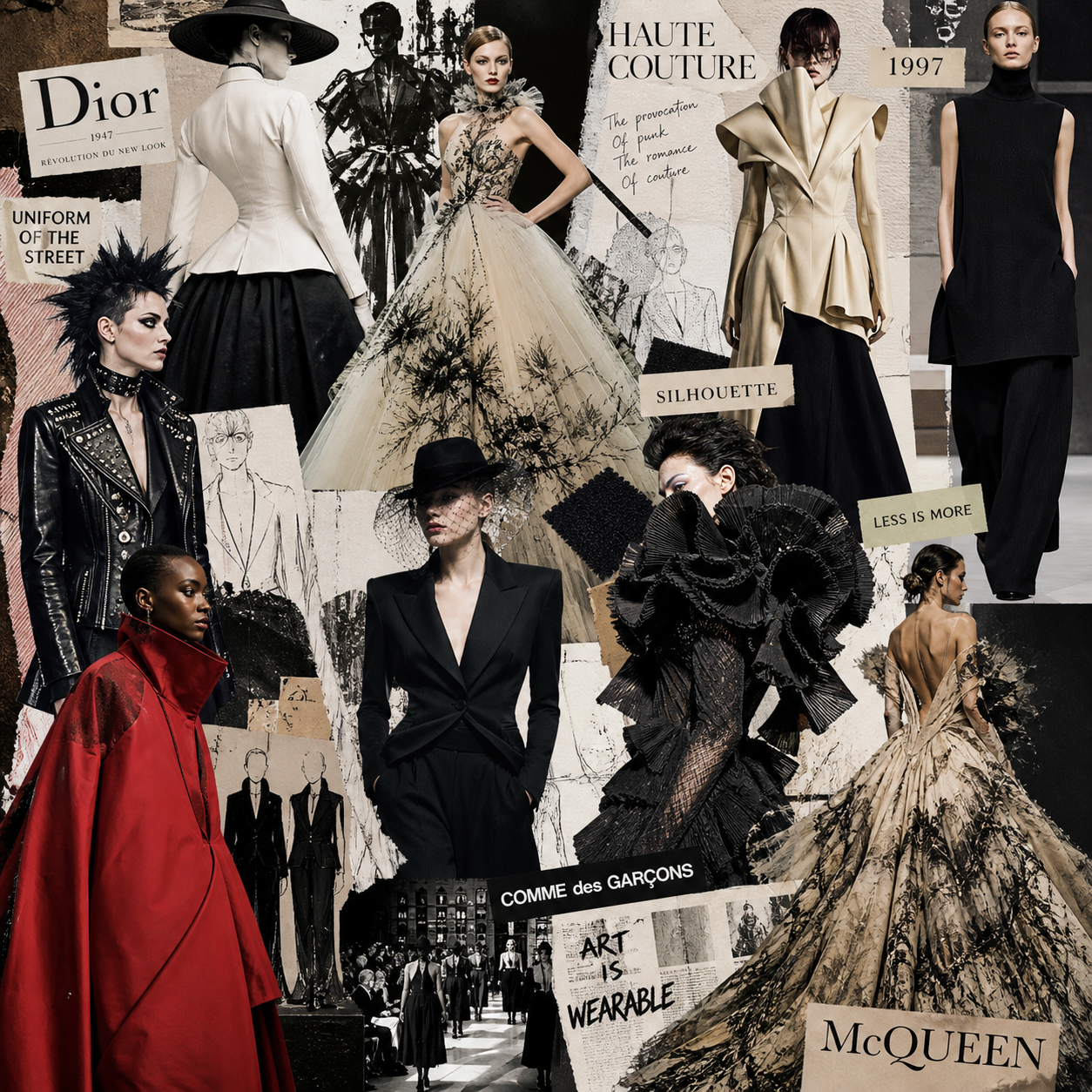
Fashion history is shaped by designers who change more than hemlines. The most influential figures alter how clothing is designed, produced, worn, marketed, and understood. Their work can redefine a silhouette, introduce a new business model, challenge social expectations, or turn a fashion house into a lasting cultural institution.
From Coco Chanel’s modern elegance to Alexander McQueen’s theatrical experimentation, these designers demonstrate that influence has many forms. Some transformed haute couture; others expanded ready-to-wear, revolutionized tailoring, or used clothing as a language of cultural criticism.
What Makes a Fashion Designer Truly Iconic?
A truly iconic fashion designer combines original design thinking with lasting influence on clothing, culture, and the fashion business. Fame may create attention, but sustained relevance usually comes from innovation that other designers, manufacturers, and consumers continue to recognize.
Four measures provide a useful way to assess influence:
- Design innovation: introducing a new silhouette, material, technique, or way of styling garments.
- Cultural impact: reflecting or accelerating changes in gender, class, politics, identity, or popular culture.
- Industry transformation: changing the relationship between haute couture, ready-to-wear, licensing, retail, and global branding.
- Enduring relevance: creating visual codes that remain identifiable and adaptable decades later.
This framework also prevents a common mistake: treating commercial visibility as proof of historical importance. A designer may be widely known yet contribute little lasting change, while a less familiar innovator may influence techniques and ideas across generations. The designers below matter because their ideas spread beyond individual collections.
Coco Chanel and the Rise of Modern Elegance
Coco Chanel reshaped women’s fashion by combining simplicity, movement, and practicality with a highly recognizable luxury identity. Her designs helped replace restrictive decoration with a modern wardrobe built around comfort, proportion, and sophisticated restraint.
Chanel’s contribution emerged during a period when women’s clothing was becoming more suited to active public lives. Jersey fabrics, relaxed shapes, shorter skirts, cardigan jackets, trousers, and the little black dress challenged the assumption that elegance required elaborate construction. Her use of traditionally practical materials in luxury clothing helped make informality fashionable.
Her influence also came from a coherent set of design codes. Quilting, chain details, two-tone shoes, costume jewelry, camellias, and restrained color combinations created a visual vocabulary that could extend across clothing, accessories, and fragrance. This was an early example of fashion branding functioning as a complete system rather than a label attached only to garments.
The trade-off was deliberate simplicity. Chanel’s pared-back clothing could appear effortless, yet its effect depended on precise proportion, fabric quality, and styling. The lesson for modern designers is clear: minimal design requires rigorous editing. Removing decoration does not remove complexity; it makes construction and finish easier to see.
Christian Dior and the New Direction of Haute Couture
Christian Dior transformed postwar haute couture by restoring dramatic femininity through sculpted waists, rounded hips, and full skirts, a silhouette widely associated with the 1947 New Look. He also helped establish the modern fashion house as a global business with seasonal collections, accessories, and carefully managed brand identity.
After years of wartime austerity, Dior presented clothing that used substantial fabric and emphasized an hourglass profile. The effect was visually powerful because it contrasted with the narrow, practical garments many women had worn during the war. Dior’s designs signaled luxury and spectacle, while also reviving Paris as a central authority in international fashion.
The New Look was influential, but it was not universally liberating. Its structured corsetry, padding, and voluminous skirts could restrict movement and demanded considerable labor. This tension illustrates how fashion can offer symbolic freedom while imposing physical or economic constraints.
Dior’s broader achievement was institutional. The house developed a recognizable aesthetic that could be translated into clothing, fragrance, accessories, and international presentations. In this model, haute couture served as an image laboratory, while related products extended the house’s reach. Many later luxury brands adopted a similar relationship between artistic design and commercial structure.
Christian Dior’s historical record offers useful context for understanding the designer’s postwar role and the development of the Dior fashion house.
Yves Saint Laurent and Fashion’s Move Toward Empowerment
Yves Saint Laurent pushed fashion toward empowerment by bringing the authority of couture into ready-to-wear and by treating traditionally masculine garments as powerful options for women. His tuxedo suits, safari jackets, pea coats, and refined tailoring expanded the vocabulary of modern dress.
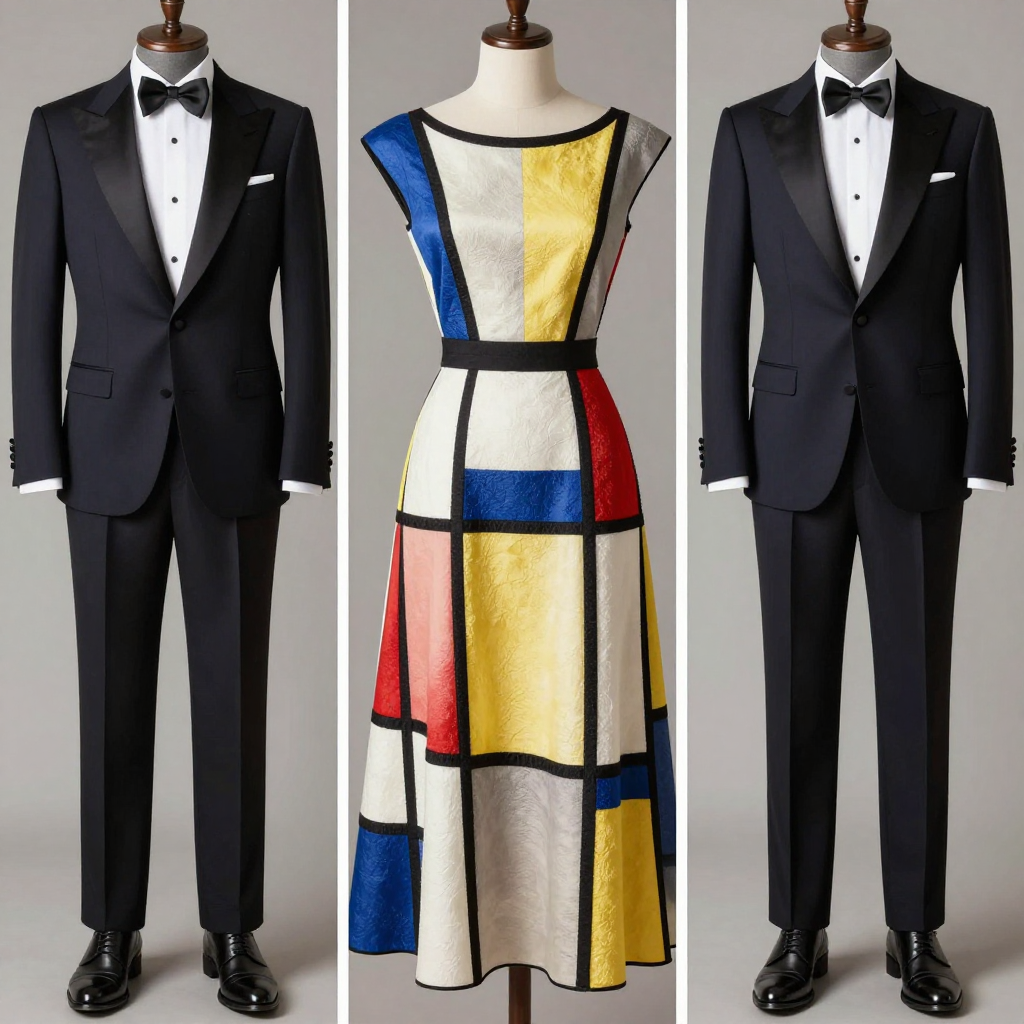
Saint Laurent understood that women’s fashion could communicate confidence through structure rather than ornament. Le Smoking, introduced in the 1960s, adapted the tuxedo for women and made evening tailoring a statement of presence. The design did more than borrow a menswear shape; it challenged assumptions about who could occupy formal, commanding spaces.
His work also helped legitimize designer ready-to-wear as an important creative category. Couture offered exceptional craftsmanship and exclusivity, while ready-to-wear allowed a designer’s visual language to reach more people at a consistent scale. That shift influenced how fashion houses planned collections, developed retail networks, and communicated with younger consumers.
Saint Laurent’s legacy includes cultural references to art, travel, and changing social identities. He drew inspiration from artists such as Piet Mondrian and from global visual traditions, though contemporary designers must approach cultural borrowing with research, respect, and attention to power. His strongest lesson remains the use of clothing to broaden the wearer’s choices.
Designers Who Challenged Tradition and Convention
Elsa Schiaparelli, Vivienne Westwood, and Alexander McQueen challenged convention by turning fashion into experimentation, satire, and cultural commentary. Their work expanded the idea that a garment can communicate an argument as clearly as it can express beauty.
Elsa Schiaparelli: Surrealism and Fashion Innovation
Elsa Schiaparelli collaborated with surrealist artists and made the unexpected central to design. The lobster dress, trompe-l’œil knitwear, bold color, and imaginative accessories blurred the line between clothing and visual art. Her famous “Shocking” pink also showed how a distinctive color could become part of a house’s identity.
Schiaparelli’s innovation lay in treating fashion as an idea-driven medium. Her garments could surprise, amuse, or unsettle the viewer. That approach anticipated contemporary collaborations between fashion brands, artists, and cultural institutions.
Vivienne Westwood: Punk, History, and Protest
Vivienne Westwood carried punk from subcultural dress into international fashion while retaining its sense of disruption. Ripped fabrics, bondage references, graphic slogans, historical corsetry, and exaggerated tailoring questioned conventions of respectability and taste.
Westwood also reworked historical dress rather than treating the past as a fixed archive. By combining eighteenth-century references with punk styling, she showed that fashion history can be edited, contested, and made politically relevant. Her career demonstrates how a designer’s viewpoint can matter as much as a signature silhouette.
Alexander McQueen: The Runway as Theatre
Alexander McQueen used precise tailoring, unusual materials, dramatic staging, and emotional narratives to make the runway a form of theatre. His collections explored beauty, violence, vulnerability, nature, technology, and the relationship between the body and clothing.
McQueen’s work proved that spectacle does not have to replace technical skill. Structured jackets, sculpted dresses, intricate tailoring, and experimental finishing gave his presentations a strong material foundation. The limitation of this approach is production intensity: garments and shows built around exceptional craft can be difficult to reproduce at scale. Their influence often appears through ideas, proportions, and presentation methods rather than direct copies.
Giorgio Armani and the Language of Modern Minimalism
Giorgio Armani changed modern fashion through relaxed tailoring, softened structure, and understated luxury. His work made formal clothing appear more fluid and comfortable, influencing both menswear and womenswear from the late twentieth century onward.
Armani reduced the stiffness of traditional tailoring by using unstructured shoulders, lighter construction, muted colors, and supple fabrics. The result preserved the authority of a suit while allowing the wearer greater ease. This approach became especially influential in professional wardrobes and in the visual language of film, business, and international luxury.
His minimalism was highly controlled rather than empty. Subtle differences in drape, fabric weight, lapel shape, and layering carried much of the design. Armani also showed how a consistent aesthetic could extend across multiple lines and markets without losing recognition.
Choosing relaxed tailoring for comfort means accepting less architectural definition than a heavily structured suit provides. That compromise explains the style’s appeal: it serves people who want polish without looking constrained. Its influence can be seen in contemporary suiting, gender-neutral separates, and luxury brands that prioritize quiet refinement over visible logos.
The Lasting Legacy of Fashion’s Industry Shapers
The lasting legacy of iconic fashion designers appears in today’s silhouettes, brand systems, design education, and consumer expectations. Chanel normalized practical elegance, Dior strengthened the modern couture house, Saint Laurent advanced designer ready-to-wear, and Armani refined relaxed tailoring, while Schiaparelli, Westwood, and McQueen expanded fashion’s expressive and critical possibilities.
Their influence can be traced through three connected layers:
- The garment: familiar forms such as the little black dress, tuxedo dressing, sculpted couture, punk tailoring, and the softened suit.
- The system: seasonal collections, global retail, licensing, accessories, fragrance, runway presentation, and recognizable design codes.
- The meaning: changing ideas about femininity, authority, rebellion, status, artistry, and personal identity.
Modern designers still borrow from these pioneers, but responsible influence requires transformation rather than simple imitation. A contemporary collection may reinterpret Dior’s volume with recycled materials, adapt Saint Laurent’s tailoring for broader gender expression, or use McQueen-like theatrical presentation to discuss climate and technology. The reference becomes valuable when it answers a present-day question.
For students and researchers, comparing these designers by silhouette, material, audience, production model, and cultural message reveals more than memorizing famous names. It shows how fashion innovation moves through the industry. An idea begins in a collection, gains meaning through wearers and media, and may eventually become an everyday convention.
Iconic status, then, comes from sustained influence rather than celebrity alone. The designers who shaped the industry left behind methods of thinking: simplify with purpose, build a coherent house identity, question social conventions, respect craft, and understand that clothing always operates within a wider culture.