

The Future of Wearable Technology in Fashion: Where Style Meets Function

Clothing has always helped people express who they are. Wearable technology adds another layer: garments and accessories can sense, respond, connect, or adapt while still serving as part of a personal style. For fashion designers, the opportunity is to make those capabilities feel considered rather than bolted on.
From smart textiles to connected jewelry, the most promising designs begin with a wearer’s needs. Comfort, care, appearance, and control matter as much as the electronics. The future of wearable technology in fashion will depend on how well designers bring those elements together.
What wearable technology means for fashion
Wearable technology in fashion combines clothing or accessories with electronics or digital features that support a useful or expressive purpose. It can include a sensor inside a jacket, a connected ring, or a textile that changes in response to its surroundings.
The category is broader than fitness tracking. A wearable device might record movement or health and fitness data, while smart textiles and e-textiles integrate conductive fibers, sensors, or other components into fabric. Some products connect to an app; others work on their own. In each case, fashion design shapes how the technology looks and feels on the body.
This distinction matters. A conventional tracker is an electronic product worn with an outfit. A technology-integrated garment makes the material, construction, and digital function part of one design decision. That may create new ways to interact with clothing, but it also adds constraints: power, washing, repairs, and component placement all affect the finished piece.
From smart accessories to responsive clothing
Fashion wearables range from connected accessories to sensor-enabled garments and responsive clothing that reacts to a person or environment. The right form depends on the job the technology needs to do and how visible it should be.
Connected jewelry can deliver discreet notifications or offer a personal safety feature without the appearance of a conventional screen. Sensor-enabled clothing might monitor posture, movement, or temperature for a specific use. In performance apparel, embedded sensors could help a wearer understand how a garment moves during activity. These functions should be designed around a clear benefit, not added simply because they are technically possible.
Responsive clothing offers another direction. A textile might change color with heat or light, or a garment could adjust ventilation in response to conditions. These are design possibilities, not guaranteed outcomes: materials, energy needs, durability, and cost can limit what is practical today. Designers should test a prototype through realistic wear, not just present it as a concept on a runway.
Designing wearables people want to wear
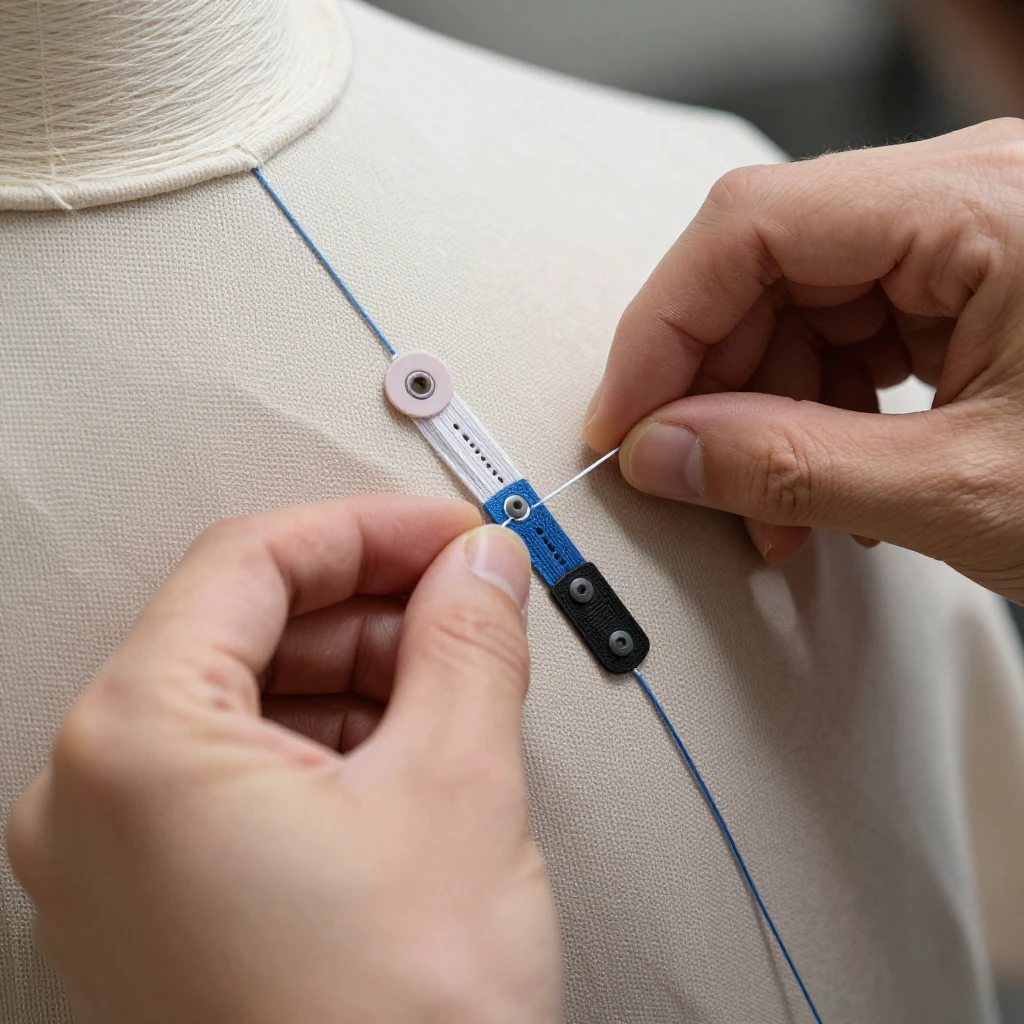
People are more likely to wear fashion technology when it feels comfortable, looks intentional, and works reliably in everyday life. A compelling feature cannot compensate for a scratchy seam, awkward battery, or garment that needs special care after every use.
Design teams can evaluate a wearable through five practical lenses: appearance, comfort, durability, usability, and care. Ask where a sensor sits against the body, whether a component creates pressure under a coat, and how the garment moves when the wearer bends or reaches. Then test the interface: can the person understand what the feature is doing without checking an app constantly?
Ease of care is an early design decision, not a label detail to solve at the end. Removable electronics can make washing simpler and repairs more feasible, although detachable parts may add bulk or make the product easier to misplace. Sealed components can protect against moisture, but may be harder to replace. There is no universal answer; the best construction depends on the garment’s purpose and expected use.
- Prototype on the body: Check weight, heat, movement, and skin contact across different sizes.
- Test the full routine: Include dressing, charging, washing, storage, and repair.
- Keep controls clear: Make activation and status easy to understand, including when a phone is not nearby.
Personalization and the changing fashion experience
Wearable technology could make fashion more adaptable by letting garments respond to individual preferences, changing conditions, or wearer input. Personalization can support self-expression, but it works best when the person remains in control of what changes and what information is collected.
For example, a designer might create a scarf with adjustable light effects, or a jacket with configurable warmth settings. A connected accessory could let someone choose which notifications appear. These features can turn a garment into an interactive part of daily life, while offering new ways to tailor a look without buying a completely different piece.
Personalization also brings a design question: which choices genuinely help the wearer? An app with dozens of settings may create more friction than value. A small set of thoughtful options, such as a few color modes or a simple on-off control, can be easier to use and maintain. Designers should also consider whether features keep working if an app is discontinued or a user changes phones. Useful personalization should not make the garment dependent on a short-lived digital service.
Challenges designers need to solve
Fashion designers need to address privacy, accessibility, repairability, and material impact before wearable technology can earn lasting trust. Each benefit comes with a trade-off, especially when garments collect data or combine fabrics with electronic components.
Privacy and data deserve clear attention. A sensor may capture movement, location, or health-related information, depending on its function. Designers and product teams should collect only what the feature needs, explain what is stored or shared, and give users a straightforward way to disable collection. For guidance on privacy principles, the U.S. Federal Trade Commission provides resources on protecting consumer information.
Accessibility is equally important. Touch controls may be difficult for some users, while visual-only alerts can exclude people who do not perceive them. Offer more than one way to receive feedback where possible, and test with people who have different bodies, abilities, and levels of technical confidence.
Sustainable materials and wearable electronics can also be difficult to reconcile. Blended constructions may complicate recycling, and a garment can become waste if a battery or sensor fails before the fabric wears out. Modular components, replaceable parts, repair instructions, and durable base materials can help, though they may increase initial cost or design complexity. The strongest sustainability case comes from a product people will maintain and use for a long time.
What fashion designers can do next
Fashion designers can explore wearable technology by starting with a wearer’s problem, testing a modest prototype, and evaluating the garment over its full life. This keeps the technology in service of fashion design instead of letting a feature dictate the whole collection.
A practical starting framework is Need, Fit, Life: define the wearer’s need, check whether the technology fits the garment and body, then assess the product’s life from charging and care to repair and disposal. If a feature does not improve the experience enough to justify its added materials and maintenance, leave it out.
- Choose one use case: Identify a specific wearer and a clear purpose, such as temperature comfort or discreet communication.
- Make a low-cost prototype: Test placement, silhouette, movement, and comfort before investing in complex electronics.
- Set boundaries early: Decide what data the piece needs, how users control it, and what happens when components fail.
- Plan for care and repair: Design around cleaning, battery access, replaceable parts, and material separation.
- Evaluate the whole experience: Ask wearers whether the feature is understandable, desirable, and worth maintaining.
The future of wearable technology in fashion will not follow one aesthetic or technical formula. It will emerge through choices about materials, construction, interaction, and responsibility. When those choices begin with the wearer, technology can expand what clothing does while leaving room for individual style.
Frequently asked questions
What counts as wearable technology in fashion?
Wearable technology in fashion includes clothing and accessories with integrated electronics, sensors, connectivity, or responsive materials. Examples include e-textiles, sensor-enabled garments, connected jewelry, and textiles designed to react to environmental conditions.
Can smart clothing be stylish and comfortable?
Yes, if designers treat comfort and appearance as core requirements. Component placement, fabric choice, weight, movement, and care all influence whether smart clothing feels good and fits naturally into someone’s wardrobe.
How can wearable fashion protect personal data?
Wearable fashion can protect personal data by collecting only what a feature needs, explaining how information is used, limiting storage and sharing, and giving users clear controls to pause or disable data collection.
Is wearable technology compatible with sustainable fashion?
It can be, but electronic components can make repair and recycling harder. Durable materials, modular electronics, replaceable parts, and long-term software support improve the chances that a wearable remains useful rather than becoming short-lived waste.